
What Is Instant Coffee? Types, Manufacturing Process, Benefits & Uses (2026 Guide)

What Is Instant Coffee?
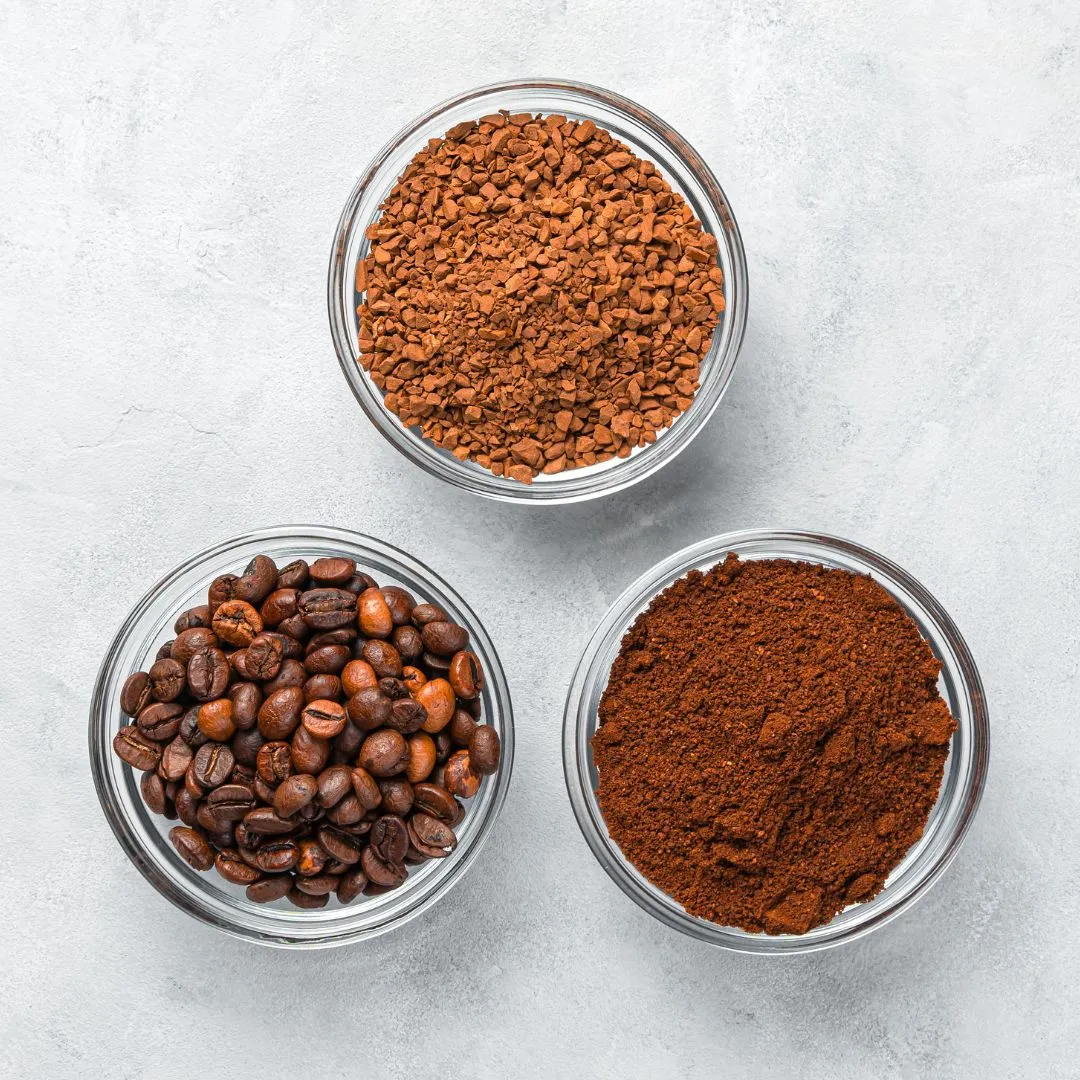
Instant coffee, also known as soluble coffee, is a concentrated coffee product made by brewing roasted coffee beans, extracting their soluble compounds, and removing the water through advanced drying technologies. The result is a powder or crystal that dissolves quickly in hot or cold water while preserving much of the original coffee’s aroma and flavor.
Unlike traditional ground coffee, instant coffee eliminates the need for brewing equipment, making it one of the most convenient beverages in the world. Today, millions of people rely on instant coffee at home, in offices, hotels, restaurants, airlines, and industrial food manufacturing because of its speed, consistency, and long shelf life.
Modern instant coffee is produced using sophisticated technologies that help retain coffee’s natural taste and aroma. Premium products, especially freeze-dried coffee, are designed to deliver a richer sensory experience closer to freshly brewed coffee.
Why Is It Called Instant Coffee?
The word “instant” refers to its ability to dissolve almost immediately after mixing with water.
Unlike roasted ground coffee, which requires brewing, filtering, or pressing, instant coffee only needs:
- Hot water
- A spoon
- A cup
Within seconds, it becomes ready to drink.
This convenience has made instant coffee one of the fastest-growing segments in the global coffee industry.
How Instant Coffee Is Made
Although it appears simple, manufacturing instant coffee is a highly controlled industrial process.
The basic production steps include:
- Selecting premium coffee beans
- Cleaning and grading
- Roasting
- Grinding
- Coffee extraction
- Concentration
- Drying
- Packaging
Depending on the drying technology used, the final product may become:
- Freeze-Dried Coffee
- Spray-Dried Coffee
- Agglomerated Coffee
Each production method creates a different appearance, aroma, texture, and flavor profile.

Types of Instant Coffee
There are several categories of instant coffee available in international markets.
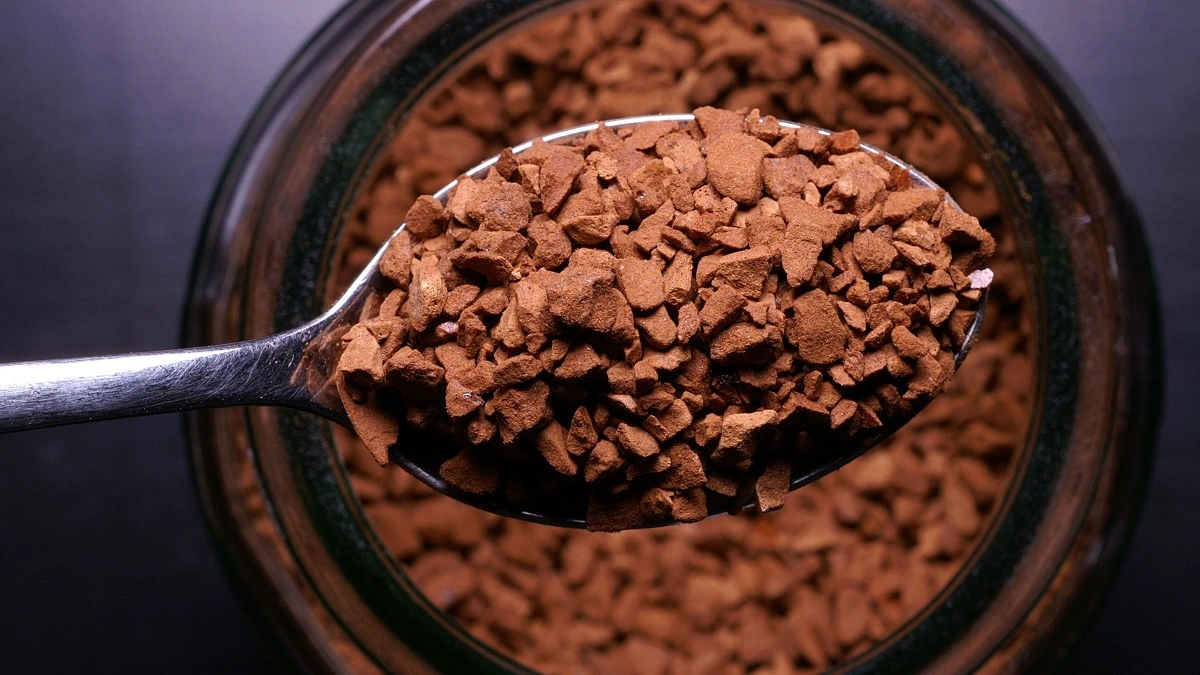
Freeze-Dried Coffee
Freeze-dried coffee is considered the premium category because it preserves more aroma and flavor compounds.
- Characteristics include:
- Large coffee crystals
- Rich aroma
- Premium appearance
- Better flavor retention
- Higher production cost
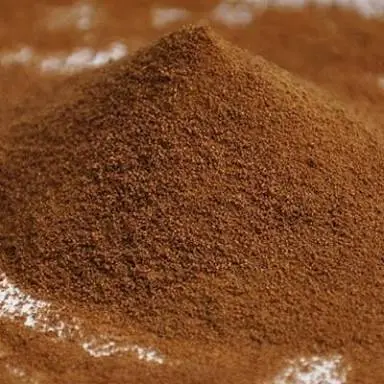
Spray-Dried Coffee
Spray drying is the most widely used manufacturing method due to its efficiency and lower production cost.
Characteristics include:
- Fine powder
- Good solubility
- Cost-effective production
- Suitable for large-scale manufacturing
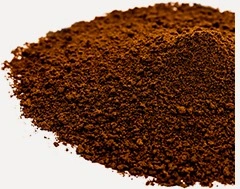
Agglomerated Coffee
Agglomerated coffee is produced by combining fine coffee particles into larger granules.
Benefits include:
- Less dust
- Improved appearance
- Faster dissolution
- Better packaging performance
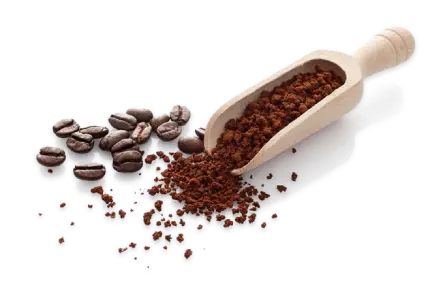
Coffee Beans Used for Instant Coffee
Manufacturers generally use two major coffee species.
Arabica
Known for:
- Smooth taste
- Floral aroma
- Balanced acidity
- Premium quality
Robusta
Known for:
- Strong flavor
- Higher caffeine content
- Bold body
- Better crema characteristics
Many premium instant coffees use carefully balanced blends of Arabica and Robusta to achieve a desirable flavor profile.
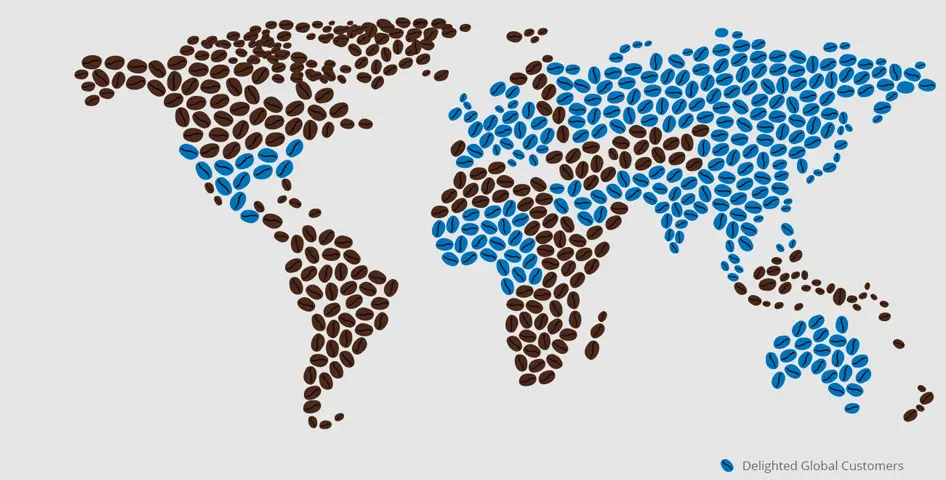
Why Instant Coffee Is So Popular Worldwide
Instant coffee continues to gain popularity because it offers several advantages:
- Quick preparation
- Consistent taste
- Long shelf life
- Easy transportation
- Convenient storage
- Minimal equipment required
These qualities make it suitable for both consumers and businesses.

Major Applications
Instant coffee is widely used in:
Homes
Offices
Hotels
Restaurants
Airlines
Cafés
Coffee vending machines
Bakeries
Beverage manufacturing
Ready-to-drink coffee products
Food processing industries
Its versatility makes it an essential ingredient across many sectors.
Nutritional Information
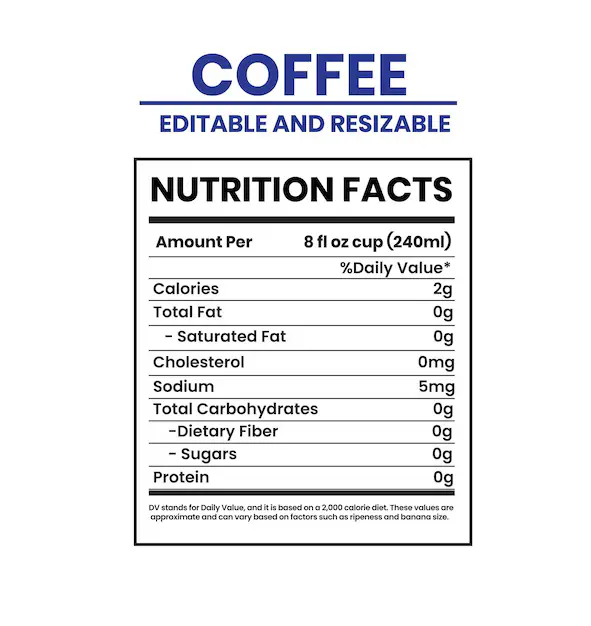
Black instant coffee contains very few calories when consumed without sugar, creamer, or milk.
It naturally contains:
- Caffeine
- Antioxidants
- Polyphenols
- Magnesium (small amounts)
- Potassium (small amounts)
Because it is low in calories, black instant coffee is often chosen by individuals seeking a lighter beverage option.
Health Benefits
Research suggests that moderate coffee consumption may be associated with several potential benefits, including:
- Improved alertness
- Enhanced concentration
- Temporary reduction in fatigue
- Source of dietary antioxidants
Individual responses to caffeine vary, and excessive intake may not be suitable for everyone.

Global Instant Coffee Market
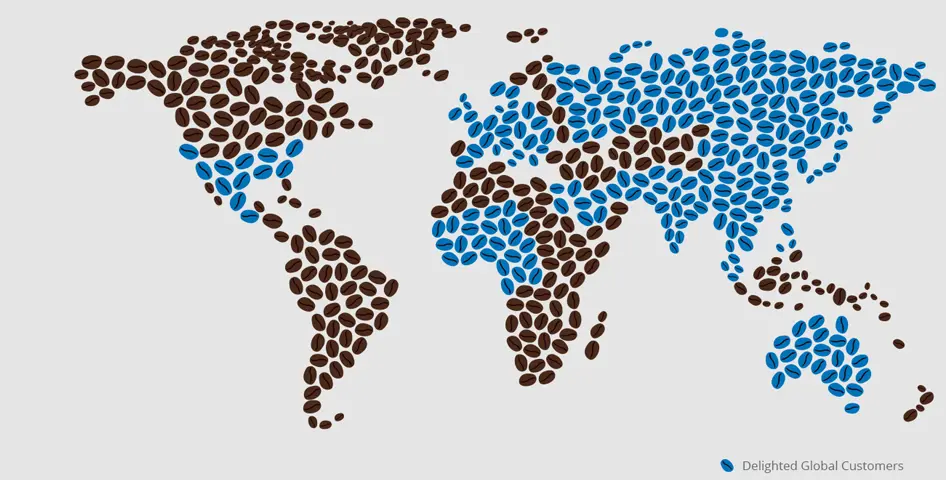
The global instant coffee industry has expanded significantly due to:
- Rising urban lifestyles
- Growing demand for convenience foods
- E-commerce growth
- Expansion of café culture
- Increased demand in emerging markets
Manufacturers now produce instant coffee in various formats, including jars, pouches, sachets, sticks, and bulk industrial packaging to meet diverse consumer and business needs.
How to Choose High-Quality Instant Coffee
When selecting an instant coffee product, consider:
- Coffee bean origin
- Drying method
- Aroma
- Solubility
- Flavor profile
- Packaging quality
- Shelf life
- Food safety certifications
- Manufacturer reputation
Premium products often provide a more balanced taste and better aroma retention.viduals seeking a lighter beverage option.
Frequently Asked Questions (FAQ)
What is instant coffee made from?
Instant coffee is made from brewed coffee extracted from roasted coffee beans and then dried into powder or crystals.
Is instant coffee real coffee?
Yes. Instant coffee is real coffee that has been brewed and dehydrated.
Which is better: freeze-dried or spray-dried coffee?
Freeze-dried coffee generally retains more aroma and flavor, while spray-dried coffee is more economical and widely used.
Does instant coffee contain caffeine?
Yes. The caffeine content varies depending on the coffee species, blend, and serving size.
Can instant coffee be used in recipes?
Yes. It is commonly used in desserts, baked goods, beverages, sauces, and confectionery products.ne.