
The History of Instant Coffee – From Invention to the Modern Global Industry

Introduction
Instant coffee is one of the world’s most widely consumed beverages, but its journey from an experimental idea to a global household staple is a fascinating story of innovation, technology, and changing consumer lifestyles.
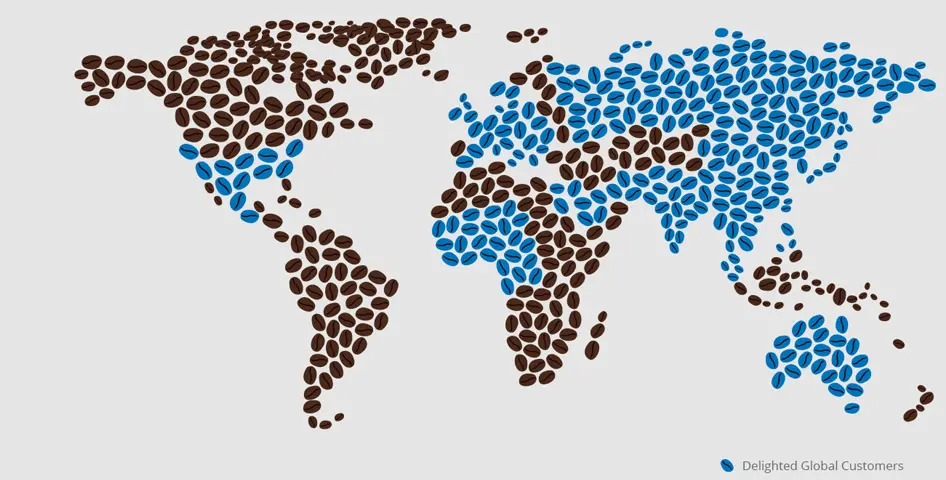
Today, instant coffee is enjoyed in more than 100 countries. It serves homes, offices, hotels, airlines, military organizations, vending machines, cafés, and food manufacturers. Behind this convenience lies over a century of scientific development and industrial advancement.
Understanding the history of instant coffee provides valuable insight into how coffee processing technologies have evolved to deliver better flavor, improved quality, and greater convenience.
Coffee Before Instant Coffee
TBefore instant coffee existed, coffee was prepared using traditional brewing methods. Whole beans were roasted, ground, and brewed using boiling water.
While freshly brewed coffee offered a rich aroma and flavor, it also required:
- Fresh coffee beans
- Grinding equipment
- Brewing tools
- More preparation time
- Careful storage
These limitations made coffee less practical for travelers, military personnel, and people with busy lifestyles.
The Growing Need for Convenience
During the late 19th century, industrialization transformed daily life. As cities grew and work became faster-paced, consumers began seeking foods and beverages that could be prepared quickly.
This demand led to innovations such as:
- Powdered milk
- Instant soups
- Ready-to-eat cereals
- Instant cocoa
- Instant coffee
The goal was simple: preserve the flavor of brewed coffee while eliminating the need for traditional brewing.
Early Experiments in Instant Coffee
The first attempts to create instant coffee appeared in the late 1800s. Inventors explored methods to remove water from brewed coffee while retaining its flavor.
Early products faced several challenges:
- Weak aroma
- Bitter taste
- Poor solubility
- Short shelf life
Although these early versions were far from today’s premium instant coffee, they proved that coffee could be preserved in a dry, convenient form.
Commercial Development
In the early 20th century, improvements in food processing and dehydration technology allowed manufacturers to produce instant coffee on a larger scale.
Commercial production focused on three key goals:
- Better flavor retention
- Improved shelf stability
- Faster preparation
As manufacturing techniques improved, instant coffee became increasingly popular among consumers looking for convenience without sacrificing quality.
World Events and Market Expansion
Large-scale demand for shelf-stable foods during the first half of the 20th century accelerated the development of instant coffee.
Military organizations, explorers, and travelers needed beverages that were:
- Lightweight
- Easy to transport
- Quick to prepare
- Long-lasting
Instant coffee met these needs exceptionally well, helping expand its popularity around the world.
Technological Breakthrough: Spray Drying
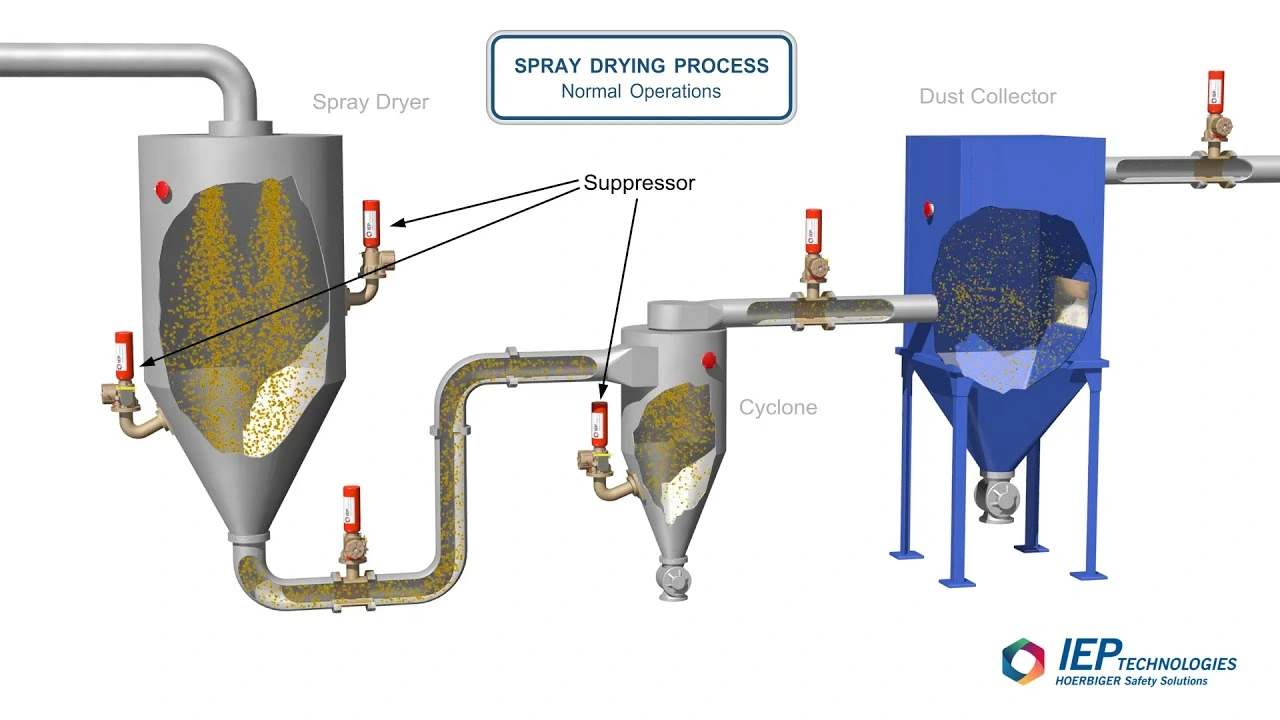
One of the most significant milestones in instant coffee manufacturing was the introduction of spray-drying technology.
In this process:
- Coffee is brewed into a concentrated liquid.
- The concentrate is sprayed into a chamber of hot air.
- Water evaporates rapidly.
- Fine coffee powder remains.
Advantages
- Efficient production
- Lower manufacturing costs
- Large-scale output
- Good solubility
Spray drying made instant coffee more affordable and accessible to consumers worldwide.

The Freeze-Dried Revolution
As consumer expectations evolved, manufacturers sought ways to preserve more of coffee’s natural aroma and flavor.
This led to the adoption of freeze-drying technology.
Unlike spray drying, freeze drying removes water at very low temperatures under vacuum conditions.
The result is:
- Larger coffee crystals
- Improved aroma retention
- Better flavor
- Premium appearance
Today, freeze-dried coffee is widely regarded as the highest-quality form of instant coffee.
Improvements in Coffee Bean Selection
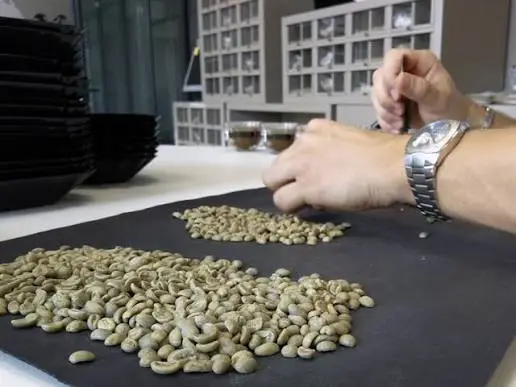
Modern manufacturers place significant emphasis on selecting high-quality coffee beans.
Common choices include:
Arabica
- Smooth
- Aromatic
- Mild acidity
Robusta
- Strong body
- Higher caffeine
- Bold flavor
Blending these beans allows producers to create products tailored to different consumer preferences.

The Rise of Global Coffee Brands
Over the decades, advancements in logistics, packaging, and marketing enabled instant coffee brands to expand internationally.
Today, instant coffee is available in:
- Glass jars
- Pouches
- Single-serve sachets
- Bulk industrial packaging
- Coffee sticks
This variety supports both retail consumers and foodservice businesses.able and accessible to consumers worldwide.
Modern Manufacturing Technologies
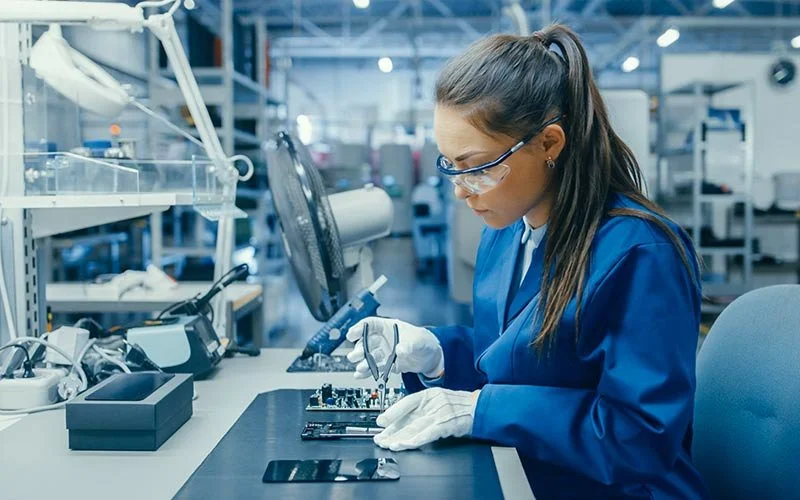
Today’s instant coffee factories use advanced technologies such as:
- Automated roasting systems
- Precision grinding
- Controlled extraction
- Aroma recovery systems
- Spray drying
- Freeze drying
- Agglomeration
- Quality testing laboratories
These innovations help ensure consistent taste, safety, and product quality.stant coffee.
Sustainability in the Coffee Industry
Sustainability has become a key focus in the global coffee sector.
Many manufacturers are investing in:
- Energy-efficient production
- Water conservation
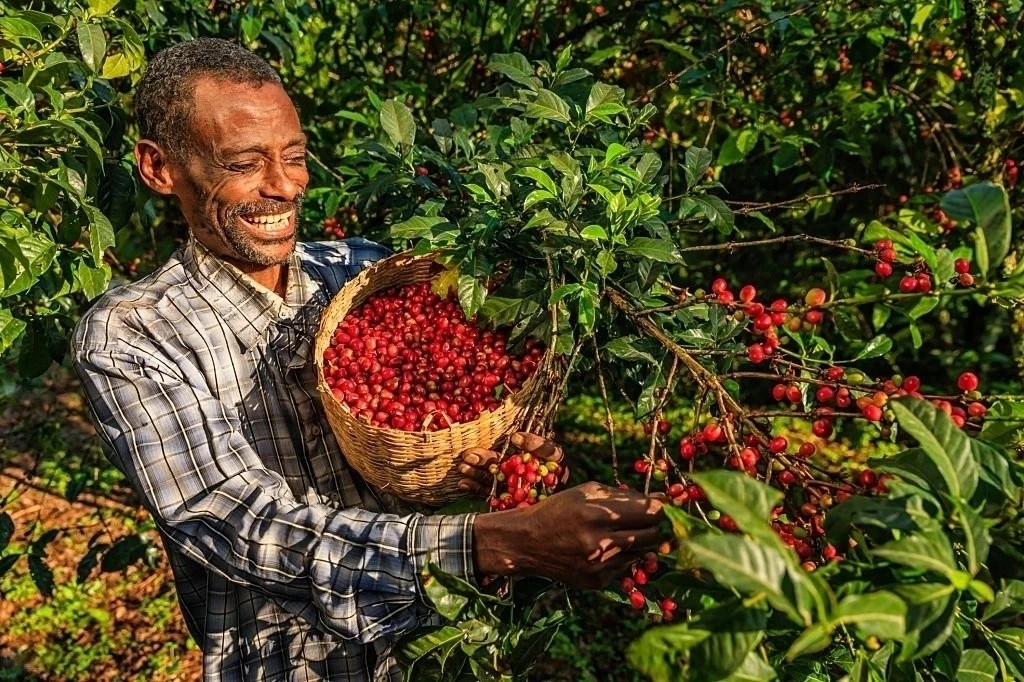
- Responsible sourcing
- Recyclable packaging
- Reduced carbon emissions
Consumers increasingly value products that balance quality with environmental responsibility..
Frequently Asked Questions (FAQ)
When was instant coffee invented?
Early forms of instant coffee appeared in the late 19th century, with significant commercial development occurring in the early 20th century.
Why did instant coffee become popular?
Its convenience, long shelf life, and ease of preparation made it ideal for busy lifestyles and travel.
What technological advancement improved instant coffee quality?
Freeze-drying technology significantly enhanced flavor and aroma retention compared to earlier methods.
Is instant coffee still growing in popularity?
Yes. Demand continues to grow due to convenience, premium product innovations, and expanding global markets.
What role does sustainability play in modern coffee production?
Many manufacturers are adopting environmentally responsible practices, including efficient resource use and recyclable packaging.